The Clarity Connection: Why Eyebright Extract Deserves a Spot in Your Product Portfolio
Posted: Thu Aug 27, 2026 7:01 pm
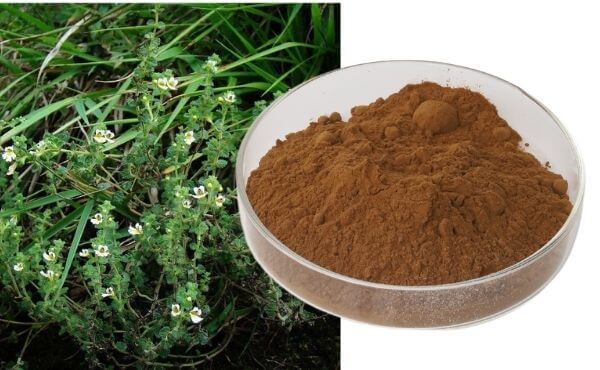
In the world of botanical ingredients, some herbs carry centuries of traditional use into modern formulations. Eyebright (Euphrasia officinalis) is one such plant. With a name that leaves little mystery about its historical purpose, this delicate herb has been associated with eye health and respiratory wellness in European folk practices for generations . Today, it is finding new life as a functional ingredient in dietary supplements, cosmetics, and personal care products. For B2B buyers sourcing from China, eyebright extract offers a compelling combination of tradition, science, and supply chain reliability.
The Compound Story: Flavonoids and Beyond
Eyebright's potential health benefits are attributed to its rich phytochemical profile. The plant contains several bioactive compound classes that work synergistically:
Flavonoids: Including luteolin, quercetin, and apigenin, these compounds provide antioxidant support and contribute to anti-inflammatory effects . Specifications often range from 5% to 10% total flavonoids .
Tannins: These polyphenols possess astringent and tightening properties, making them valuable for topical applications .
Iridoids: Such as aucubin, known for their anti-inflammatory properties .
Phenolic Acids: Including caffeic and ferulic acid derivatives that contribute to overall antioxidant capacity .
Scientific research has begun validating traditional uses. Studies on cultured human corneal cells have shown that ethanol and ethyl acetate extracts of eyebright demonstrated free radical scavenging effects and decreased pro-inflammatory cytokine expression . This suggests potential mechanisms behind the herb's traditional use for eye comfort and irritation relief.
China's Role in the Eyebright Supply Chain
China has emerged as a significant supplier of botanical extracts, and eyebright is no exception. Manufacturers in provinces like Shaanxi have developed production capabilities to meet global demand . The industry has matured significantly, with many suppliers now offering:
Standardized Specifications: Common product specifications include ratio extracts (e.g., 10:1, 4:1) and flavonoid-standardized extracts .
Third-Party Testing: Suppliers typically provide Certificates of Analysis verifying active compound content, heavy metals, and microbial safety .
International Certifications: Reputable manufacturers hold ISO, HACCP, Halal, and Kosher certifications .
Quality Parameters: What to Look For
For a professional B2B buyer, understanding quality specifications is essential. Key parameters for eyebright extract include:
Appearance: Typically a fine brown to greenish-brown powder .
Loss on Drying: Usually ≤ 6.0% .
Total Ash: Generally ≤ 8.0% .
Heavy Metals: Lead < 2 ppm, Arsenic < 1 ppm .
Microbiology: Total aerobic count < 5,000 CFU/g, absence of E. coli and Salmonella .
The extraction process is also critical. The highest-quality suppliers employ low-temperature, gentle extraction methods—typically ethanol-water percolation—to preserve heat-sensitive iridoids and flavonoids . This approach ensures the final product maintains biological activity.
Applications Across Industries
Eyebright extract's versatility makes it suitable for multiple product categories:
Dietary Supplements: The most common application, with suggested usage ranging from 200 mg to 500 mg per serving in capsules, tablets, or powders . Brands position eyebright in formulations targeting eye strain, fatigue, and general vision comfort.
Cosmetics and Personal Care: Eyebright extract is valued for its soothing and astringent properties . It appears in eye creams, serums, and gels designed to reduce puffiness and calm the delicate eye area .
Functional Beverages: The extract can be incorporated into teas, tonics, or wellness shots for consumers seeking natural eye comfort support .
Sourcing Strategy for Success
When evaluating Chinese suppliers, consider the following:
Raw Material Traceability: Suppliers who manage their own sourcing or contract cultivation can offer better quality control .
Technical Support: Leading suppliers provide formulation guidance and documentation support for regulatory submissions .
Customization Options: Many suppliers offer OEM services, including custom blends with other herbal ingredients .
For food manufacturers, supplement brands, and cosmetic innovators, China-sourced eyebright extract represents a reliable ingredient with a rich traditional heritage and emerging scientific validation. Its deep connection to eye wellness aligns with growing consumer interest in natural, clean-label solutions for modern health concerns.
The Compound Story: Flavonoids and Beyond
Eyebright's potential health benefits are attributed to its rich phytochemical profile. The plant contains several bioactive compound classes that work synergistically:
Flavonoids: Including luteolin, quercetin, and apigenin, these compounds provide antioxidant support and contribute to anti-inflammatory effects . Specifications often range from 5% to 10% total flavonoids .
Tannins: These polyphenols possess astringent and tightening properties, making them valuable for topical applications .
Iridoids: Such as aucubin, known for their anti-inflammatory properties .
Phenolic Acids: Including caffeic and ferulic acid derivatives that contribute to overall antioxidant capacity .
Scientific research has begun validating traditional uses. Studies on cultured human corneal cells have shown that ethanol and ethyl acetate extracts of eyebright demonstrated free radical scavenging effects and decreased pro-inflammatory cytokine expression . This suggests potential mechanisms behind the herb's traditional use for eye comfort and irritation relief.
China's Role in the Eyebright Supply Chain
China has emerged as a significant supplier of botanical extracts, and eyebright is no exception. Manufacturers in provinces like Shaanxi have developed production capabilities to meet global demand . The industry has matured significantly, with many suppliers now offering:
Standardized Specifications: Common product specifications include ratio extracts (e.g., 10:1, 4:1) and flavonoid-standardized extracts .
Third-Party Testing: Suppliers typically provide Certificates of Analysis verifying active compound content, heavy metals, and microbial safety .
International Certifications: Reputable manufacturers hold ISO, HACCP, Halal, and Kosher certifications .
Quality Parameters: What to Look For
For a professional B2B buyer, understanding quality specifications is essential. Key parameters for eyebright extract include:
Appearance: Typically a fine brown to greenish-brown powder .
Loss on Drying: Usually ≤ 6.0% .
Total Ash: Generally ≤ 8.0% .
Heavy Metals: Lead < 2 ppm, Arsenic < 1 ppm .
Microbiology: Total aerobic count < 5,000 CFU/g, absence of E. coli and Salmonella .
The extraction process is also critical. The highest-quality suppliers employ low-temperature, gentle extraction methods—typically ethanol-water percolation—to preserve heat-sensitive iridoids and flavonoids . This approach ensures the final product maintains biological activity.
Applications Across Industries
Eyebright extract's versatility makes it suitable for multiple product categories:
Dietary Supplements: The most common application, with suggested usage ranging from 200 mg to 500 mg per serving in capsules, tablets, or powders . Brands position eyebright in formulations targeting eye strain, fatigue, and general vision comfort.
Cosmetics and Personal Care: Eyebright extract is valued for its soothing and astringent properties . It appears in eye creams, serums, and gels designed to reduce puffiness and calm the delicate eye area .
Functional Beverages: The extract can be incorporated into teas, tonics, or wellness shots for consumers seeking natural eye comfort support .
Sourcing Strategy for Success
When evaluating Chinese suppliers, consider the following:
Raw Material Traceability: Suppliers who manage their own sourcing or contract cultivation can offer better quality control .
Technical Support: Leading suppliers provide formulation guidance and documentation support for regulatory submissions .
Customization Options: Many suppliers offer OEM services, including custom blends with other herbal ingredients .
For food manufacturers, supplement brands, and cosmetic innovators, China-sourced eyebright extract represents a reliable ingredient with a rich traditional heritage and emerging scientific validation. Its deep connection to eye wellness aligns with growing consumer interest in natural, clean-label solutions for modern health concerns.