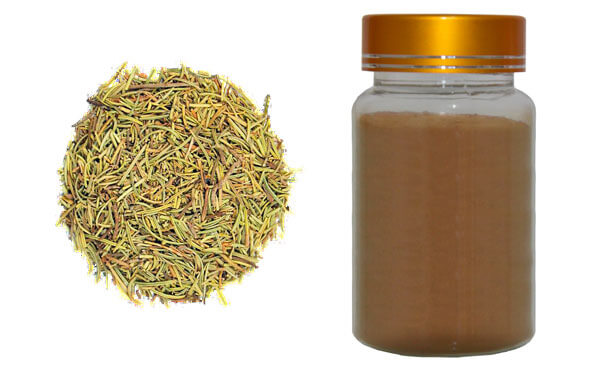
If you've been researching natural antioxidants for water-based applications, you've undoubtedly noticed that China supplier wholesale Rosemary Leaf Extract water soluble Rosmarinic Acid dominates the global supply chain. There's a clear reason for this. China's combination of规模化 rosemary cultivation, advanced aqueous extraction technology, and manufacturing scale creates an unmatched sourcing environment for this valuable compound.
Understanding Water-Soluble Rosmarinic Acid: A Different Kind of Antioxidant
Rosmarinic acid is a naturally occurring polyphenolic compound composed of caffeic acid and 3,4-dihydroxyphenyllactic acid structures . What makes it particularly valuable is its strong polarity and water solubility, which sets it apart from other rosemary-derived compounds like carnosic acid that require organic solvents for dissolution .
This water-soluble characteristic opens doors that remain closed to oil-soluble antioxidants. Beverage manufacturers, liquid supplement producers, and creators of water-based cosmetics all require ingredients that integrate seamlessly into their formulations without separation issues or the need for emulsifiers.
The science behind its effectiveness is impressive. Scientific research shows that rosmarinic acid possesses significant antioxidant activity—reportedly four times that of vitamin E . Its unique chemical structure, featuring esters containing two catechol groups, enables it to work through multiple pathways: directly scavenging free radicals, chelating metal ions, activating endogenous defense systems, and blocking lipid peroxide formation .
Why Water Solubility Matters for Formulators
When sourcing China supplier wholesale Rosemary Leaf Extract water soluble Rosmarinic Acid, buyers are specifically seeking the convenience that water solubility provides.
Beverage integration: Functional beverages represent one of the fastest-growing segments in the food industry. Water-soluble rosmarinic acid disperses readily in liquid formulations without clouding or sedimentation . This makes it ideal for enhanced waters, wellness shots, and functional soft drinks where clarity and stability matter.
Cosmetic compatibility: Skincare serums, toners, and water-based emulsions require ingredients that play well with aqueous systems. Water-soluble rosmarinic acid integrates into these formulations effortlessly, delivering antioxidant protection without greasiness or separation .
Dosage flexibility: For nutraceutical manufacturers, water solubility means more uniform distribution in finished products, whether in liquid-filled capsules or powdered drink mixes .
China's Role in Water-Soluble Extract Production
The dominance of China supplier wholesale Rosemary Leaf Extract water soluble Rosmarinic Acid stems from technical expertise and agricultural resources.
Chinese manufacturers have perfected extraction methods that preserve rosmarinic acid's natural water solubility while achieving high purity levels. Unlike oil-soluble extracts that may require molecular distillation or organic solvent processing, water-soluble rosmarinic acid is typically produced using controlled water and ethanol extraction technology .
Companies like Purestar Chem Enterprise, Jiuyuan Bio, and Evergreen Herbal have developed sophisticated production lines capable of delivering consistent HPLC-standardized material . The process typically involves:
Raw material preparation using premium rosemary leaves, often cultivated in inland regions of China
Controlled water and ethanol extraction at temperatures between 50-60°C
Purification using techniques like macroporous adsorption resin to remove impurities
Drying and standardization to guarantee specific rosmarinic acid content
The result is a product that appears as a yellow-brown to light yellow fine powder, often with a slight herbal aroma, and demonstrates complete water solubility .
Purity Specifications: What the Market Offers
When evaluating China supplier wholesale Rosemary Leaf Extract water soluble Rosmarinic Acid, understanding the available purity grades is essential:
Standard grades (2.5%-20%): These are most common for food and beverage applications where antioxidant function is needed without requiring ultra-high purity . They offer cost-effectiveness for large-scale manufacturing.
Mid-range grades (25%-30%): Suitable for nutraceutical applications and cosmetic formulations where higher活性成分 concentration is desired .
High-purity grades (90%-98%): These premium materials are typically reserved for pharmaceutical research, clinical studies, and high-end cosmetic formulations where maximum efficacy is required . At these levels, the powder approaches a lighter color—sometimes nearly white .
Testing is consistently performed using High-Performance Liquid Chromatography (HPLC), ensuring batch-to-batch consistency . Reputable suppliers provide Certificates of Analysis confirming not just rosmarinic acid content, but also absence of heavy metals, residual solvents, and microbial contamination .
Applications Driving Demand
The versatility of water-soluble rosmarinic acid explains its growing market presence:
Food and Beverage Industry
As a natural antioxidant and preservative, water-soluble rosmarinic acid extends shelf life in aqueous food systems . It's particularly valuable in:
Functional beverages and oral liquids
Dairy products and yogurt, where it can improve CLA oxidative stability by up to 40%
Meat products and baked goods, where it serves as a natural alternative to synthetic preservatives like BHA/BHT
Aquatic product preservation
Cosmetics and Personal Care
The cosmetic industry values water-soluble rosmarinic acid for multiple benefits:
Anti-aging formulations that protect collagen and elastic fibers
Skin-brightening products that inhibit melanin production
Soothing formulations for sensitive or inflamed skin
Hair care products that promote scalp health and reduce hair loss
When combined with hyaluronic acid in a 1:5 ratio, clinical tests show a 22% increase in skin hydration after 28 days .
Pharmaceuticals and Nutraceuticals
Research continues to uncover therapeutic potential:
Cardiovascular health support through reduced LDL oxidation
Neuroprotective effects, including potential applications in Alzheimer's research
Anti-inflammatory benefits for conditions like arthritis
Sports nutrition applications for endurance enhancement
Navigating the Wholesale Market
If you're considering sourcing from China supplier wholesale Rosemary Leaf Extract water soluble Rosmarinic Acid, here are practical considerations:
Verify the CAS Number
Rosmarinic acid is referenced under CAS 537-15-5 . Some sources may list CAS 3650-09-7, which typically refers to carnosic acid, so confirm you're sourcing the correct compound for water-soluble applications .
Request Appropriate Documentation
Professional suppliers should provide:
Certificates of Analysis showing HPLC purity data
Technical Data Sheets (TDS) and Material Safety Data Sheets (MSDS)
Third-party testing results from recognized laboratories like SGS or Eurofins
Certifications such as ISO, Kosher, Halal, and Organic where applicable
Understand Solubility Specifications
While rosmarinic acid is inherently water-soluble, confirm that the specific product you're evaluating is tested and verified for aqueous solubility. Some extracts may contain carriers or processing aids that affect dissolution .
Evaluate Supplier Capabilities
Look for manufacturers with established quality systems. Companies like Hainan Super Biotech, Xi'an Tongze Bio, and others mentioned in market reports have invested in certifications and maintain relationships with research institutions . The global rosemary extract market is projected to reach $509.54 million by 2032, with China playing a significant role .
Consider Formulation Synergies
Rosmarinic acid works well with other ingredients. In cosmetic applications, combining with vitamin C or E enhances results . In food systems, it shows compatibility with most common ingredients .
The Quality Infrastructure Behind Chinese Suppliers
What distinguishes leading China supplier wholesale Rosemary Leaf Extract water soluble Rosmarinic Acid companies is their investment in quality infrastructure.
Manufacturers typically maintain:
Clean production areas meeting D-grade standards or better
Advanced testing laboratories with HPLC capabilities
Experienced technical teams for customer support
Participation in international exhibitions like CPHI, Vitafoods, and SupplySide West
Companies such as those profiled in market research—Hainan Super Biotech, Naturalin Bio-Resources, Changsha E.K HERB, and others—have built reputations on consistent quality and technical expertise .
Looking Ahead
The market for water-soluble natural antioxidants shows no signs of slowing. Driven by clean-label trends, expanding beverage applications, and growing consumer awareness of ingredient functionality, demand for high-quality rosmarinic acid will only increase.
China's position as the primary sourcing destination appears secure. The combination of established rosemary cultivation—particularly in regions like Yunnan, Guangxi, and Hainan —along with extraction expertise and manufacturing scale creates advantages difficult to replicate elsewhere.
For buyers entering this market, the approach is straightforward: look beyond price lists. Seek suppliers who demonstrate technical competence, transparency in analytical methods, and willingness to partner over the long term. Request samples, verify HPLC data, ask about extraction methods, and confirm water solubility for your specific application.
Whether you're a beverage manufacturer seeking natural preservation, a cosmetic formulator developing the next generation of water-based serums, or a nutraceutical company creating functional health products, the Chinese wholesale market for Rosemary Leaf Extract water soluble Rosmarinic Acid offers access to this versatile botanical compound at commercial scale. The right supplier relationship delivers value that extends far beyond the product specifications—and in the competitive world of natural ingredients, that partnership makes all the difference.