The Plant Behind the Product
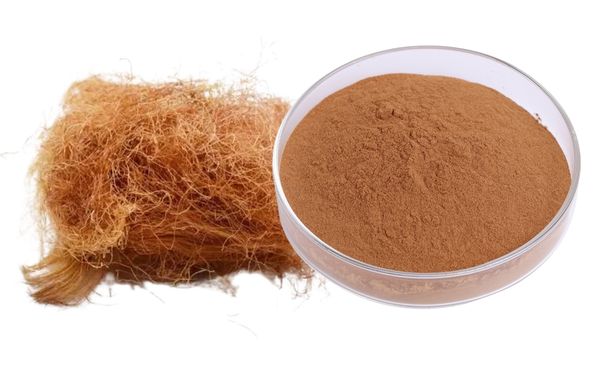
Stigma Maydis consists of the long, yellowish, thread-like stigmas from the female flower of the maize plant (Zea mays L.). These silky fibres, which can reach lengths of up to 30 centimeters, are typically light green, yellow-green, or棕黄色 depending on their maturity. While corn is cultivated globally for its grain, the silk has historically been treated as a waste product. However, this "waste" is packed with bioactive potential, containing a complex mix of flavonoids, phenolic acids, polysaccharides, alkaloids, saponins, and potassium salts that contribute to its therapeutic reputation.
A Tradition Rooted in Two Continents
The use of Stigma Maydis is not a recent discovery. Traditional Chinese Medicine has valued corn silk since at least the Qing Dynasty for its diuretic, liver-soothing, and blood pressure-lowering properties. Simultaneously, Native American healers prepared corn silk infusions to treat urinary tract infections, malaria, and heart problems. This dual heritage – shared across China, Turkey, the United States, and France – underscores its long-standing acceptance as a gentle yet effective remedy.
Modern pharmacological research has now validated many of these traditional claims. Studies confirm that Stigma Maydis extracts possess significant antioxidant and anti-inflammatory activities, which could position them as a viable alternative to some synthetic drugs. Key bioactive compounds such as polysaccharides have been linked to immune-strengthening, anti-tumor, hepatoprotective, and blood sugar-lowering effects. Other research points to its potential in reducing hyperglycemia, combating fatigue, and even exhibiting anti-depressant qualities.
Multiple Applications Across Health Sectors
The versatility of Stigma Maydis extract makes it appealing across several industries.
Renal and Urinary Health remains the most well-documented application. Empirical medicine has long used corn silk for cystitis, edema, kidney stones, and prostate disorders. The extract soothes and relaxes the lining of the bladder and urinary tubules, reducing irritation while increasing urine secretion.
In metabolic health, research indicates that Stigma Maydis can lower both blood pressure and blood sugar levels. It has also demonstrated lipid-lowering and anti-diabetic properties, making it a candidate for inclusion in supplements targeting obesity and related conditions.
Anti-inflammatory and antioxidant benefits are equally significant. Corn silk has shown protective effects against oxidative stress, and its anti-inflammatory action has been evaluated through methods such as red blood cell membrane stabilization.
These properties have led to its incorporation into dietary supplements, teas, functional beverages, and even some cosmetic formulations. The extract is typically available as a fine, brownish-yellow powder that is water-soluble and suitable for encapsulation or direct blending into liquids.
From Waste Product to Global Market – The China Advantage
One of the most compelling reasons to source Stigma Maydis extract from China is the sheer availability of raw material. Corn is one of the most widely cultivated crops in the world, and China is a major producer. The silk, which is harvested during the flowering stage, has historically had little economic value. This abundance of low-cost raw material has naturally drawn manufacturers to develop value-added extracts.
According to market research, the Asia-Pacific region – particularly China – leads the global corn silk extract market, driven by robust domestic demand, supportive government policies, and a strong manufacturing infrastructure. The global market is expected to grow steadily as consumers increasingly turn toward natural products over synthetic alternatives.
What to Look for When Sourcing from China
Chinese suppliers offer Stigma Maydis extract in a range of specifications to meet diverse customer needs. The most common specifications are ratio extracts, such as 5:1, 10:1, 20:1, 50:1, and even 100:1. These ratios indicate the concentration level, with higher ratios representing more potent extracts. Some suppliers also offer products standardized to specific purity levels, such as 98% total bioactive content.
Production processes vary, but reputable manufacturers employ multi-stage methods: harvesting, cleaning, low-temperature drying, solvent extraction (commonly using water or ethanol), filtration, concentration, and spray drying or freeze-drying to produce a fine powder. Spray-drying technology is particularly common because it preserves the heat-sensitive bioactive compounds while creating a powder with good solubility and flowability.
Pricing is competitive due to low raw material costs. As a reference, wholesale prices for standard 10:1 extracts have been reported in the range of approximately 70 to 75 yuan per kilogram (around 10−11 USD), though actual costs vary based on volume, purity, and supplier relationships. Minimum order quantities often start at just 1 kilogram for sample orders, with standard commercial packaging of 25 kilograms per drum.
Quality control is a critical consideration. Reliable suppliers utilize HPLC (High-Performance Liquid Chromatography) for active ingredient analysis and TLC for identity verification. Many operate under GMP-certified facilities and can provide third-party test reports upon request. Some manufacturers even maintain their own planting bases to ensure raw material consistency, with processing facilities equipped with advanced equipment including multi-functional extraction tanks, low-temperature concentration units, spray-drying towers, and laminar flow purification workshops.
Final Thoughts
Stigma Maydis extract represents a fascinating intersection of traditional botanical knowledge and modern industrial efficiency. For businesses seeking a natural ingredient that supports urinary, metabolic, and antioxidant health, sourcing from China offers clear advantages: abundant raw material, established manufacturing infrastructure, competitive pricing, and growing export experience. By partnering with reputable suppliers who prioritize quality control and transparent documentation, buyers can confidently tap into a supply chain that transforms an ancient agricultural by-product into a modern global wellness ingredient.