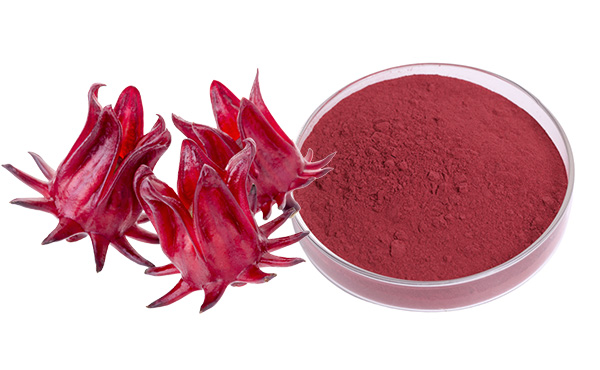
If you are involved in product development, procurement, or formulation, you have probably noticed that sourcing from a China supplier wholesale Hibiscus Sabdariffa flower extract is becoming the industry standard. This is not a random trend. It is the result of decades of investment in extraction infrastructure, a deep understanding of botanical chemistry, and the ability to scale from sample-sized batches to metric tons.
The Chemistry Behind the Color
Understanding why Hibiscus Sabdariffa is so valuable starts with looking inside the flower. The extract is derived primarily from the dried calyces, the part of the plant that protects the flower bud and deepens to a rich red as it matures . What makes it so useful across different industries is its complex chemical profile.
The extract is rich in plant acids, including citric acid, malic acid, tartaric acid, and the uniquely named hibiscus acid, a lactone of hydroxycitric acid which can make up as much as 28% of the dry weight . These organic acids give the extract its characteristic tart, cranberry-like flavor profile .
Then there are the pigments. The deep red color comes from anthocyanins, specifically compounds like hibiscin . Alongside these are flavonoids such as hibiscetin and gossypetin, which contribute yellow tones and add to the overall antioxidant capacity . The presence of polyphenols and protocatechuic acid further enhances its value in nutraceutical and pharmaceutical applications .
This combination of sour taste, vibrant color, and bioactive compounds is difficult to replicate with synthetic alternatives, which is why natural product formulators keep coming back to it.
China’s Role in the Global Supply Chain
The global Hibiscus Sabdariffa flower extract market is substantial and growing. One report values the broader extract market at $233 million in 2025, with projections reaching $287 million by 2031 . Within this landscape, Chinese suppliers have carved out a dominant position.
Companies like World-Way Biotech Inc. , based in Hunan, represent the maturity of this industry. With roots dating back to 1992, such manufacturers have moved beyond simple grinding and sieving to sophisticated operations boasting annual processing capabilities of over 5,000 tons of botanical material . They maintain certifications like ISO, HACCP, Ecocert, Kosher, and Halal, and they employ analytical methods such as HPLC-MS and UV to verify their products .
Similarly, manufacturers like Baoji Oasier Nutri-tech and suppliers on platforms like Alibaba and Made-in-China offer a range of specifications tailored to different industrial needs . When you engage with a China supplier wholesale Hibiscus Sabdariffa flower extract, you are typically dealing with a company that understands the nuances of international trade, from GHS classification to shipping via DHL, FedEx, or sea freight .
Understanding Product Specifications
One of the first things you will notice when evaluating suppliers is the variety of specifications available. The extract is not a one-size-fits-all ingredient. It comes in different forms and potencies depending on the intended use.
For many food and beverage applications, ratio extracts (such as 5:1, 10:1, or 25:1) are common. These indicate that one kilogram of extract is derived from multiple kilograms of raw plant material . Alternatively, you might encounter extracts standardized to specific active compounds, such as 10% Protocatechuic Acid (PAC) , 10-30% Hibiscus acid, or 1-15% Anthocyanidins .
The physical appearance is usually a fine powder ranging from rose-red to a deep burgundy or purple-red . A key feature that many buyers prioritize is water solubility. Premium suppliers offer extracts that dissolve instantly in cold water without precipitation or impurities, which is critical for beverage manufacturing . The pH of a reconstituted solution typically falls between 2 and 4, reflecting the high organic acid content .
Applications Across Industries
The versatility of Hibiscus Sabdariffa extract explains its broad market appeal. It is not confined to one niche; it crosses multiple sectors.
In the Food and Beverage industry, the extract serves as both a flavoring agent and a natural colorant. Its tart profile makes it ideal for herbal teas, functional beverages, and even jams . As consumers reject synthetic red dyes like Allura Red AC, manufacturers are turning to hibiscus anthocyanins to achieve that vibrant red hue naturally .
The Cosmetics and Personal Care sector is another major consumer. Hibiscus extract is valued for its natural alpha-hydroxy acids (AHAs), which promote gentle exfoliation and support collagen production . Its antioxidant content also makes it a popular addition to anti-aging serums, face masks, and hair care products aimed at promoting scalp health and reducing hair loss . Leading brands are incorporating it into formulations as consumers increasingly seek clean-label beauty solutions .
In the Pharmaceutical and Nutraceutical space, the extract is gaining scientific backing. Clinical studies have explored its potential to manage blood pressure, with some research indicating a systolic reduction of up to 7.5 mmHg in regular consumers . A 2024 multicenter trial even confirmed hepatoprotective effects, showing a 28% improvement in liver enzyme levels among participants with mild fatty liver disease . Other research highlights its antioxidant and antimicrobial properties, with studies showing the extract can scavenge up to 86% of DPPH radicals and inhibit the growth of various microorganisms . Traditional uses also include managing coughs, reducing fire and heat, and supporting digestion .
What to Look for in a Wholesale Partner
If you are considering sourcing from a China supplier wholesale Hibiscus Sabdariffa flower extract, due diligence is essential. The market includes both highly professional operators and less scrupulous players, so knowing what to ask for is critical.
Verify the CAS number. Hibiscus Sabdariffa extracts are often associated with CAS 84775-96-2 for the flower infusion, though this can vary based on the specific preparation . Confirm that the supplier provides a Certificate of Analysis (COA) from an accredited laboratory.
Request samples. Reputable suppliers, like those profiled in the market, typically offer 20g to 50g free samples for testing . This allows you to evaluate color, solubility, flavor profile, and performance in your specific formulation before committing to a bulk order.
Understand the supply chain. The quality of hibiscus raw material can vary due to geographical origin and seasonal conditions . Established Chinese suppliers often have direct relationships with farming cooperatives or control their own cultivation, ensuring more consistent quality . The harvest season and processing within 48 hours of picking are critical factors that affect the final extract's potency .
Check certifications. Look for ISO 9001, Kosher, Halal, and organic certifications if those matter for your target market . Suppliers with SGS or BV verification add an extra layer of credibility.
Clarify minimum order quantities. While MOQs can start as low as 1kg for sampling, production-scale orders typically range from 25kg drums to metric ton quantities shipped via air or sea .
Market Drivers and Future Outlook
The momentum behind Hibiscus Sabdariffa extract shows no signs of slowing. The global market is projected to grow at a CAGR of 8.1% through 2032 for some segments, driven by the insatiable demand for natural ingredients .
Several factors are contributing to this growth. The clean-label movement in food and beverage is pushing manufacturers to replace synthetic colors and preservatives with plant-based alternatives . The functional beverage boom has created opportunities for hibiscus-infused sparkling waters, kombuchas, and wellness shots that deliver both flavor and perceived health benefits . In cosmetics, the shift toward "clean beauty" and formulations free from synthetic chemicals aligns perfectly with hibiscus's natural profile .
Even with challenges like seasonal supply fluctuations and regulatory complexities in different regions, the trajectory remains positive . Chinese suppliers are adapting by investing in climate-resilient cultivars, improving traceability through blockchain, and developing value-added products like water-soluble powders and organic-certified extracts .
For the buyer, this means access to an increasingly sophisticated supply base capable of meeting stringent international standards. Whether you need a cost-effective 10:1 powder for a new tea blend or a high-purity extract standardized for pharmaceutical research, the Chinese wholesale market offers depth and diversity.
Conclusion
Sourcing China supplier wholesale Hibiscus Sabdariffa flower extract is about more than finding a vendor; it is about tapping into an ecosystem of botanical expertise, industrial-scale processing, and global logistics. The best suppliers combine traditional knowledge of the plant with modern analytical chemistry to deliver consistent, high-quality ingredients.
As you evaluate potential partners, look beyond the price per kilogram. Consider their testing capabilities, their willingness to share data, their understanding of your application, and their track record with international customers. The right partnership will deliver value that goes far beyond the product specification—providing reliability, technical support, and peace of mind in an increasingly competitive market.