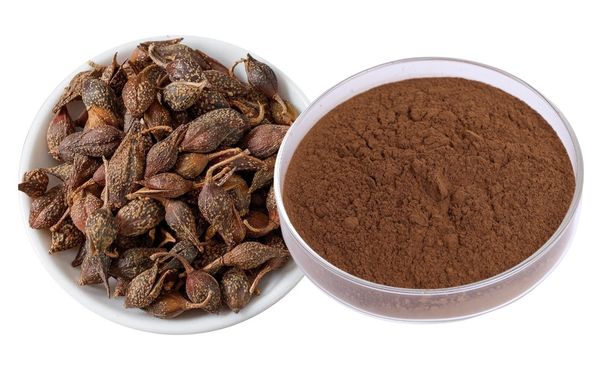
Why Fructus Forsythiae Extract Matters
Modern pharmacological research has validated much of what traditional knowledge long suggested. Fructus Forsythiae extract exhibits anti-inflammatory, antioxidant, antibacterial, antiviral, anti-allergic, and neuroprotective properties. It is a core component in traditional Chinese medicine preparations for influenza, including well-known formulas like Shuang-huang-lian oral liquid and Yin-qiao powder. Beyond respiratory health, studies indicate potential applications for immune support, skin health, and cellular protection against oxidative stress.
The extract's versatility extends to food preservation as well. Research has shown that Fructus Forsythiae extract effectively inhibits common spoilage bacteria, making it a promising natural preservative, particularly for moisture-rich products like fresh fish. In the cosmetic sector, its anti-inflammatory and antioxidant properties make it useful in formulations targeting acne, fine lines, and other signs of aging.
China as a Sourcing Destination
China's dominance in the botanical extract market stems from several advantages. The plant itself is widely distributed across China, with major cultivation areas including Shanxi, Henan, Shaanxi, Hebei, and Sichuan provinces. This geographic abundance ensures a steady and reliable raw material supply.
Chinese suppliers offer a range of specifications to meet diverse needs. Common options include 10:1 and 20:1 ratio extracts, as well as standardized extracts with specific active compound percentages. Products are typically available as brown or yellowish-brown fine powders that are water-soluble and hygroscopic.
The Chinese plant extract industry has matured significantly, with many manufacturers operating under international quality standards. Certifications commonly held by reputable suppliers include GMP, ISO 9001:2015, ISO 22000, HACCP, KOSHER, and HALAL. Some facilities are also certified organic under USDA and EU standards. These certifications provide assurance to buyers that products meet rigorous safety and quality requirements.
What to Look for When Sourcing
When evaluating China suppliers for Fructus Forsythiae extract, several factors warrant attention. First, consider the extraction method. Water extraction and ethanol extraction are both common, and the choice impacts the final product's profile. Spray-drying technology is frequently used to produce fine powders with good solubility.
Product specifications vary significantly. Common active ingredient standards focus on phillyrin (forsythin) or total glycosides, with assays typically performed via HPLC. Ratios such as 10:1 or 20:1 indicate the concentration level of the extract. Buyers should request certificates of analysis for each batch to verify compliance with agreed specifications.
Pricing typically depends on volume and purity. As a reference, wholesale pricing for bulk quantities can range from approximately
45to47 per kilogram for standard food-grade products. Minimum order quantities often start at 1 kilogram for samples, with standard commercial packaging of 25 kilograms per drum.
Market Trends to Watch
The Chinese plant extract market continues to expand. In 2025, China's plant extract industry reached a market size of 340.46 billion yuan, representing year-on-year growth of 19.65%. China exported $2.98 billion worth of plant extracts in 2025, with major destinations including the United States, Japan, and India.
Raw material pricing for Forsythia fruit itself has shown some volatility. As of mid-2026, prices for green Forsythia (Qingqiao) in the PingShun market were reported around 29 to 32 yuan per kilogram depending on processing, while yellow Forsythia (Huangqiao) traded around 55 yuan per kilogram. Buyers should monitor market conditions as raw material costs directly influence extract pricing.
Final Thoughts
Sourcing Fructus Forsythiae extract from Chinese suppliers offers access to a time-tested botanical ingredient backed by modern manufacturing capabilities. The combination of established cultivation regions, diverse product specifications, growing certification standards, and competitive wholesale pricing positions China as a practical sourcing destination. Whether for pharmaceutical formulations, dietary supplements, cosmetic applications, or natural preservatives, this extract continues to demonstrate its relevance across multiple industries. Buyers who conduct proper supplier due diligence—verifying certifications, requesting samples, and reviewing independent lab reports—will find reliable partners in China's well-developed botanical extract supply chain.